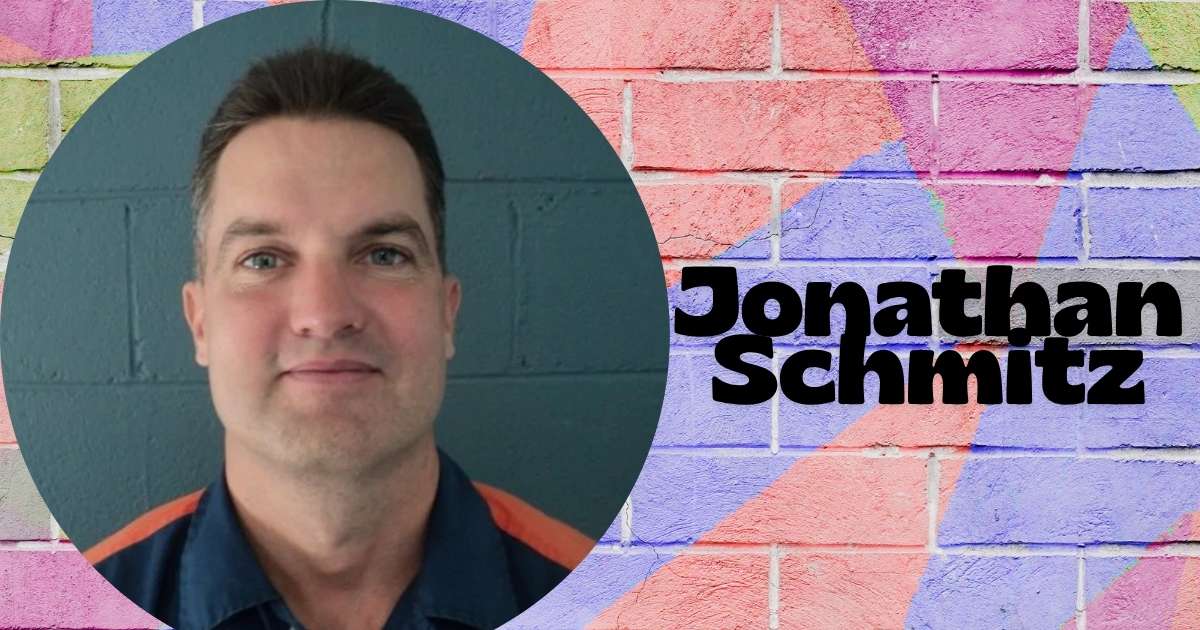
The name Jonathan Schmitz still echoes through American legal and media history. More than two decades after the tragic Jenny Jones Show incident, people wonder: what is Jonathan Schmitz doing now? His story remains one of television’s darkest chapters a tale intertwining mental health issues, media exploitation, and irreversible violence.
In March 1995, Schmitz appeared on the Jenny Jones talk show for what he believed was a standard taping. Instead, he faced an on-air revelation that would spiral into murder. Scott Amedure, an acquaintance, confessed a same-sex crush on him before studio cameras. Three days later, Amedure was dead shot twice by Schmitz.
This article explores Jonathan Schmitz today, his life after prison, and the controversy that refuses to fade.
The Jenny Jones Case Revisited
The Jonathan Schmitz case began as entertainment but ended in tragedy.
On March 6, 1995, producers invited Schmitz to their Chicago studio. They promised a “secret admirer” surprise. When Amedure revealed his romantic feelings onstage, Schmitz appeared visibly uncomfortable. The episode never aired, but the damage was done.
Three days later, Schmitz drove to Amedure’s mobile home in Lake Orion, Michigan. He confronted him about a sexually suggestive note left on his door. The encounter ended with two shotgun blasts. Schmitz immediately called 911, confessing to the Scott Amedure murder.
Key Trial Facts:
- Charge: Second-degree murder
- Conviction Date: November 1996
- Sentence: 25-50 years
- Defense Argument: Humiliation, mental illness, and medication side effects
- Civil Lawsuit: Amedure’s family won $25 million against The Jenny Jones Show (later overturned)
The trial spotlighted media responsibility and the ethics of ambush television. Critics argued the show exploited vulnerable individuals for ratings. The Jenny Jones murder case became a cautionary tale about sensational journalism and its potential consequences.
Psychiatrists testified about Schmitz’s depression and bipolar disorder. His defense team emphasized Graves’ disease medication that allegedly impaired judgment. Yet prosecutors painted him as someone who acted with calculated rage.
Life After Prison: A Reclusive Return to Society
Jonathan Schmitz was released on parole in August 2017 after serving 22 years. His jonathan schmitz 2017 release marked the beginning of an intensely private existence.
Reentry into society challenges anyone, but Schmitz faced unique obstacles. His name remained synonymous with a nationally televised scandal. Unlike typical parolees, he couldn’t blend into anonymity.
Post-prison life for Schmitz appears deliberately invisible. No interviews. No public statements. No social media footprint. This strategic silence protects him from renewed media scrutiny while satisfying parole conditions that likely restrict his public activities.
Common Challenges in Life After Jail:
- Employment discrimination against felons
- Housing instability and landlord rejection
- Rebuilding family relationships after decades
- Adapting to technological and cultural shifts
- Managing ongoing parole supervision
Schmitz left prison in 2017, entering a world transformed by smartphones, social media, and streaming services. The culture shock alone would overwhelm most long-term inmates undergoing prison rehabilitation.
Where Does Jonathan Schmitz Live Now?
Where is Jonathan Schmitz now? Most evidence suggests he remains in Michigan, likely near family support systems. His exact location stays carefully guarded a necessary protection for someone with his notoriety.
Michigan parole regulations require regular check-ins with supervision officers. Geographic restrictions probably limit his movement. Parolees in high-profile cases often face additional monitoring, including:
- Mandatory counseling sessions
- Employment verification requirements
- Substance abuse testing
- Restrictions on internet usage
- Prohibitions on media contact
His jonathan schmitz current life seems centered on maintaining the lowest possible profile. This isn’t just preference it’s survival strategy.
Employment and Rehabilitation Efforts
What does Jonathan Schmitz do for work? That remains unknown, but possibilities are limited.
Convicted felons face approximately 27,000 legal restrictions affecting employment nationwide. For someone with Schmitz’s media history, finding work requires either:
- Employers willing to overlook his past
- Anonymous positions with minimal public interaction
- Self-employment in skilled trades
- Support from rehabilitation programs
During incarceration, Michigan’s prison rehabilitation programs likely provided vocational training. Common options include:
| Skill Area | Job Prospects | Felon-Friendly? |
| Manufacturing | Moderate | Yes |
| Construction | Good | Yes |
| Food Service | Good | Sometimes |
| Custodial Work | Good | Yes |
| Technology | Limited | Rarely |
Emotional distress and psychological condition monitoring probably continue through mandated therapy. Michigan’s parole system emphasizes mental health treatment for offenders with documented psychiatric histories.
Financial obligations add pressure. Though the civil judgment was overturned, rebuilding after 22 years without income creates enormous hardship.
Public Perception and Ongoing Controversy
The cultural impact case continues generating debate.
Public perception splits sharply. Some view Schmitz as a victim of media ethics violations someone exploited by producers chasing ratings. Others see a murderer who chose violence over walking away.
LGBTQ+ Perspectives:
The case occurred during heightened homophobia in American culture. The “gay panic” defense suggesting unwanted same-sex attention justifies violence drew fierce criticism. Though Schmitz’s attorneys didn’t explicitly use this strategy, the undercurrent influenced trial by media coverage.
Today’s LGBTQ+ advocates cite the case when discussing:
- Hate crime legislation evolution
- Media representation of queer individuals
- The dangerous stigma surrounding same-sex attraction
Social debate intensifies whenever true crime documentaries revisit the story. Online forums dissect every angle, from tv show accountability to whether Schmitz deserved parole.
American legal culture has evolved since 1996. Current understanding of mental illness and trauma informs more nuanced views. Yet Amedure’s family reminds everyone that a life ended no amount of context changes that finality.
Is Jonathan Schmitz Active Online or in Social Circles?
Jonathan Schmitz social media searches yield nothing verified.
No Facebook profile. No Twitter account. No Instagram presence. This digital absence seems intentional and probably necessary.
Parole supervision often restricts online activity, especially for offenders whose crimes involved public controversy. Schmitz’s name triggers immediate recognition any social platform would expose him to harassment or vigilante threats.
He might maintain private connections through:
- Unlisted phone numbers
- Personal email accounts
- In-person gatherings with trusted individuals
- Family intermediaries who shield his privacy
Jonathan schmitz whereabouts remain deliberately obscure. In our hyper-connected era, such invisibility requires conscious effort and likely legal protection.
Legal and Parole Status
Jonathan Schmitz parole status remains active under Michigan Department of Corrections oversight.
His parole conditions typically include:
- Geographic restrictions: Cannot leave Michigan without approval
- Employment verification: Must maintain steady work
- Substance testing: Random drug and alcohol screening
- Counseling mandates: Ongoing psychiatric treatment
- No-contact orders: Prohibited from approaching Amedure’s family
Parole life means constant monitoring. Violations trigger immediate consequences, potentially including re-incarceration. Given his high-profile status, authorities likely maintain stricter oversight than typical cases.
Michigan law doesn’t specify exact parole durations for murder convictions. Schmitz could remain under supervision for life, depending on judicial discretion and behavior assessments.
His parole status prohibits:
- Firearm ownership
- International travel
- Contact with victims’ families
- Public statements without approval
- Certain employment in media-related fields
Has Jonathan Schmitz Shown Remorse?
Jonathan Schmitz remorse remains a contested topic.
During his trial, Schmitz expressed jonathan schmitz regret about the shooting. However, prosecutors questioned the sincerity, pointing to his actions immediately after the crime.
At parole hearings, he reportedly acknowledged responsibility and demonstrated understanding of his crime’s impact. This jonathan schmitz apology helped secure his release Michigan’s parole board doesn’t grant early freedom without evidence of rehabilitation.
Yet he’s made no public statements since jonathan schmitz freed in 2017. This silence protects him legally but leaves observers questioning his true feelings.
Amedure Family’s Perspective:
Scott’s family consistently expressed that no amount of jonathan schmitz guilt could restore their loss. They opposed his parole, arguing that 22 years couldn’t adequately address the permanent absence of their loved one.
Emotional distress undoubtedly affects Schmitz, but without public statements, assessing genuine remorse becomes speculative.
Cultural Impact of the Case Today
The jenny jones scandal permanently altered television production.
Talk show ethics transformed after the case. Networks implemented stricter informed consent protocols. Producers couldn’t ambush guests with potentially humiliating revelations without comprehensive psychological screening.
The jenny jones tv show itself ended in 2003, though the case was just one factor among declining ratings.
Modern Relevance:
- Reality TV ethics: Producers cite this case when establishing participant protections
- Mental health awareness: The intersection of psychological condition and accountability
- LGBTQ+ rights: How societal homophobia contributed to the tragedy
- Media studies: Universities teach this case in television influence curricula
True crime podcasts and documentaries regularly revisit the 1995 jenny jones case, introducing new generations to the story. Each retelling reignites debate about media responsibility versus personal accountability.
The case remains a touchstone for discussions about:
- Exploitation in entertainment
- The consequences of public humiliation
- How mental health issues intersect with criminal behavior
- Whether television producers bear responsibility for foreseeable tragedies
FAQ’s
What happened to Jonathan Schmitz?
He murdered Scott Amedure, served 22 years, released 2017.
Why did they cancel Jenny Jones?
Declining ratings and multiple controversies led to 2003 cancellation.
Did Jenny Jones show have to pay?
Initially ordered $25 million; verdict later overturned on appeal.
Where is Scott Amedure now?
Scott Amedure was murdered in 1995; he’s deceased forever.
Conclusion: A Life of Quiet Obscurity
What is Jonathan Schmitz doing now? Living quietly, anonymously, and carefully. His jonathan schmitz current life centers on invisibility. After spending his 30s and 40s behind bars, he’s now navigating his 50s with extreme privacy. No verified sightings. No interviews. No digital trail.
This obscurity serves multiple purposes. It protects him from vigilante threats. It respects Amedure’s family by not seeking publicity. It complies with parole conditions that likely restrict media engagement.
The jonathan schmitz update that most people seek doesn’t exist and perhaps shouldn’t. He’s served his sentence. He’s under supervision. He’s attempting reentry into society on whatever terms authorities and conscience allow.
The jonathan schmitz case reminds us that sensational television can have irreversible consequences. It highlights how mental illness, public humiliation, and inadequate support systems can culminate in tragedy.
Scott Amedure never got a second chance. Jonathan Schmitz received one through the legal system. Whether he’s earned it through genuine rehabilitation remains a question only those closest to the situation can answer.
For now, jonathan schmitz today means a middle-aged man living somewhere in Michigan, working an unknown job, and carrying the weight of a decision made in March 1995 a decision that destroyed two lives and changed television forever.

Mubeen, the expert writer behind Hair Hipe, brings over 5 years of experience in men’s hair cutting. Passionate about modern styles and precision grooming, he shares tips, trends, and techniques to elevate every haircut.